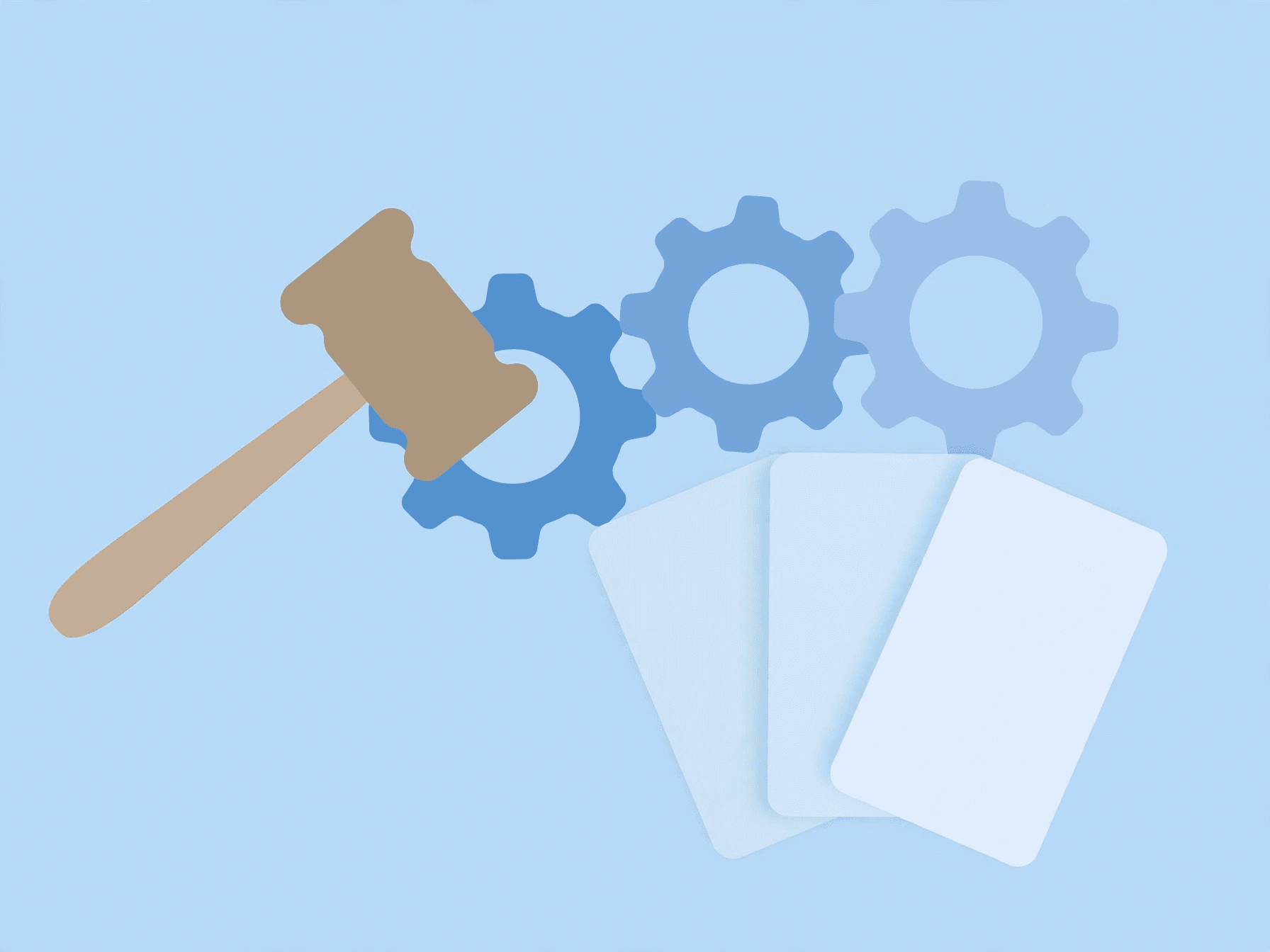
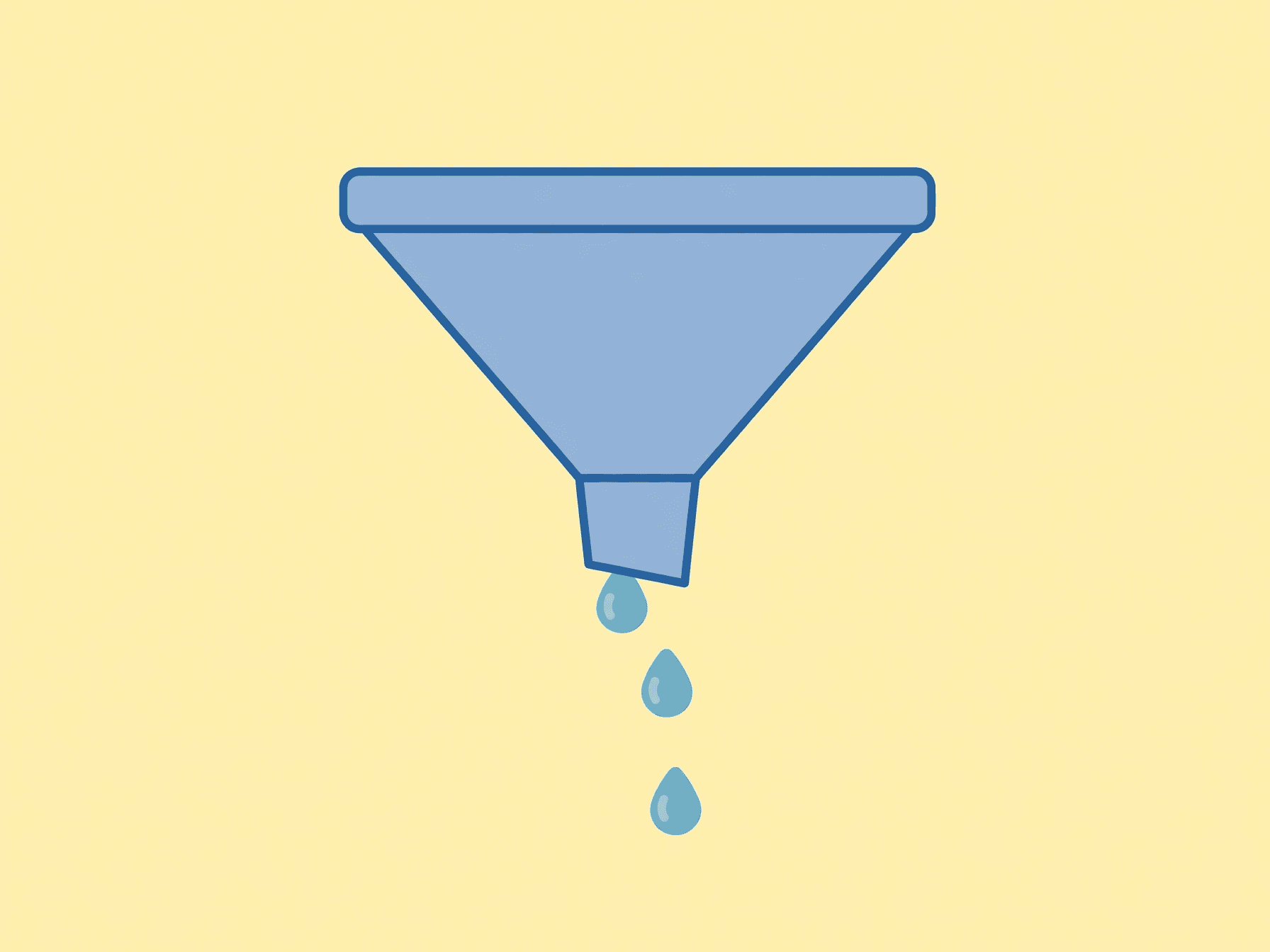
Meta rebuilt the plumbing underneath your ads on 28 October 2026, and then announced it the way Meta announces everything: with a number so large it stops sounding real. Andromeda, the retrieval system that decides which ads even get considered for an auction, now scores over a billion ads per second per GPU server, according to Meta. It also trims a pool of tens of millions of eligible ads down to a few thousand before ranking starts.
Take the billion with a pinch of salt. Meta measures its own homework. What matters is the shape of the claim, because it tells you how the machine now thinks about your creative.
TL;DR
Andromeda is the gatekeeper that shortlists ads before the auction, not the auction itself. The October 2026 rebuild makes that shortlist faster and, per Meta, smarter about matching ads to people. The practical consequence is blunt: near-identical creative variations compete with each other instead of expanding your reach, so genuine creative diversity is worth more than a twentieth shade of the same hook. Thin ad sets with too few conversions still starve, because a faster gatekeeper does not fix a starved learning signal. And the creative Breakdown report is now the first place to look when performance drifts, not the last.
Retrieval is not ranking, and the difference is your problem now
Most advertisers talk about "the algorithm" as one thing. It is at least two. Retrieval picks the few thousand ads that could plausibly fit a person and a moment. Ranking then orders that shortlist and prices the auction. Andromeda handles the first job.
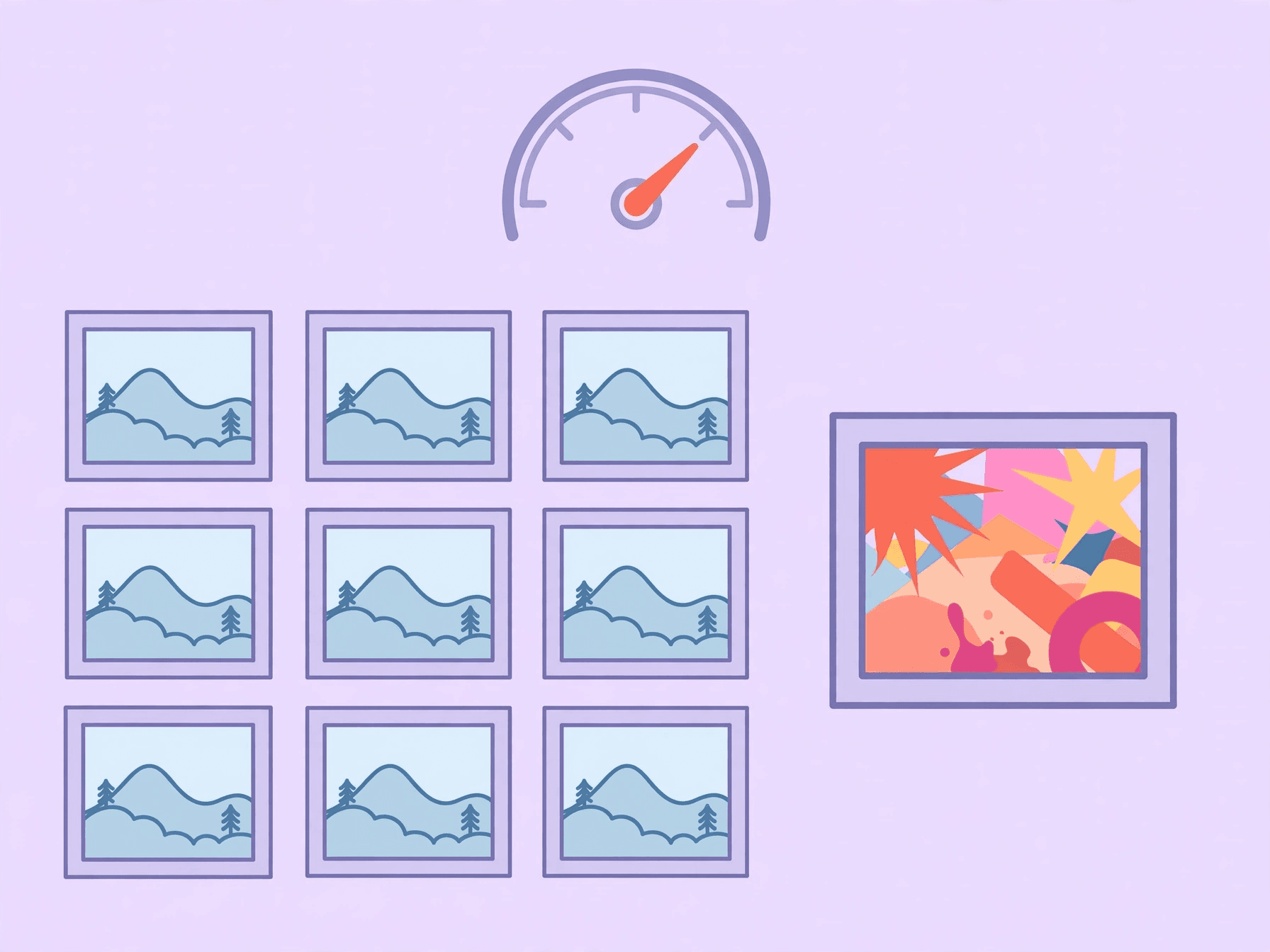
An ad that never makes the shortlist does not lose an auction. It never enters one. It shows up as low delivery, and you will blame the bid, the budget, or the audience, when the real problem might be that nothing about the ad looked distinct enough to earn a slot. And when the shortlist gets smarter, the penalty for sameness gets sharper: five ads with the same hook, face, and first three seconds are one chance, filed five times, crowding each other out of the same few thousand slots.
What Meta claims, translated
Meta's version: faster scoring, better matching, more relevant ads, better results. Every platform update reads like this. Strip the press release and you get three testable ideas: the system can consider more ads per impression, it is better at understanding what an ad is actually about, and the shortlist is the bottleneck, so ads that survive it are the ones clearly different from each other and clearly relevant to someone.
None of this comes with a quota Meta published for you to hit. There is no official "minimum creative diversity score" and no published threshold for how many distinct concepts an ad set needs. Anyone selling you one invented it. What we can say is directional: distinct concepts beat cosmetic variations, and that was already true before October. The rebuild just made it more true.
What to actually change
1. Build concepts, not variations
Stop shipping one idea in ten outfits. A concept is a different promise, a different angle, a different first three seconds, a different person on screen. A variation is the same ad with a new headline.
A useful test: if you muted the sound and covered the logo, could a stranger tell your five ads apart? If not, you have one ad and four duplicates. Kill the duplicates and spend the budget on a second real idea.
2. Feed each ad set enough conversions to learn
A faster retrieval system does not rescue an ad set running on four conversions a week. The ranking stage still needs signal, and signal still comes from outcomes. Consolidate where you have been fragmenting. One ad set with 50 conversions a week teaches the system something. Five ad sets with 10 each teach it five shrugs.
3. Read the creative Breakdown before you touch anything else
When delivery drops after an update like this, the creative Breakdown is your first stop, not your targeting. Check which concepts are actually getting delivery and which are getting quietly filtered out. If one concept eats 80 percent of spend while four sit at zero, you do not have a budget problem. You have a shortlist problem, and the fix is a new concept, not a higher bid.
What not to do
Do not rebuild your whole account because Meta published a blog post. The ranking stage, your bidding, your budgets, and your audiences did not get replaced. One upstream step got faster and pickier. And do not take the billion-ads-per-second figure as proof your ads perform better now. Throughput is not relevance. Meta's numbers describe capacity. Your account's numbers describe results, and only one of those pays your invoices.
The sceptical summary
Andromeda's rebuild is real infrastructure work, and infrastructure work usually matters more than feature launches. But the advertiser takeaway is almost annoyingly familiar: distinct creative, concentrated signal, and actually reading the breakdown reports before panicking. If your account already does those three things, October's update changes very little for you. If it does not, no retrieval upgrade will save you, because the machine just got better at noticing that your five ads are really one ad.
FAQ
What is Meta Andromeda?
Andromeda is Meta's ad retrieval system. It shortlists a few thousand ads from tens of millions of eligible ones before ranking and the auction decide what a person actually sees.
Did the October 2026 Andromeda update change how auctions work?
No. It rebuilt the retrieval step that happens before ranking and the auction. Bidding, budgets, and audiences work the same way. What changed is how quickly and how sharply the shortlist gets built.
Does Andromeda mean I need more ads per ad set?
Not more ads. More distinct ads. Ten near-identical variations do less for you than three genuinely different concepts, because variations compete for the same shortlist slots.
How many conversions does an ad set need after the update?
Meta has not published a new quota, and anyone quoting one is guessing. The standing guidance still holds: roughly 50 conversions a week per ad set is where learning stabilises.
How do I tell if retrieval is hurting my delivery?
Open the creative Breakdown. If one concept takes nearly all spend while others sit at zero despite similar bids and budgets, your weaker concepts are likely losing at the shortlist stage. Replace them with a genuinely different concept rather than raising bids.
Should small advertisers care about Andromeda?
Yes, but not by rebuilding anything. Small accounts benefit most from the boring version of this advice: fewer ad sets, distinct creative, enough conversions per ad set.
MetaMaxd is a Meta ads agency. We run accounts, not courses about running accounts. If your creative all looks the same and your delivery is quietly dying, that is the first thing we would fix.