TL;DR
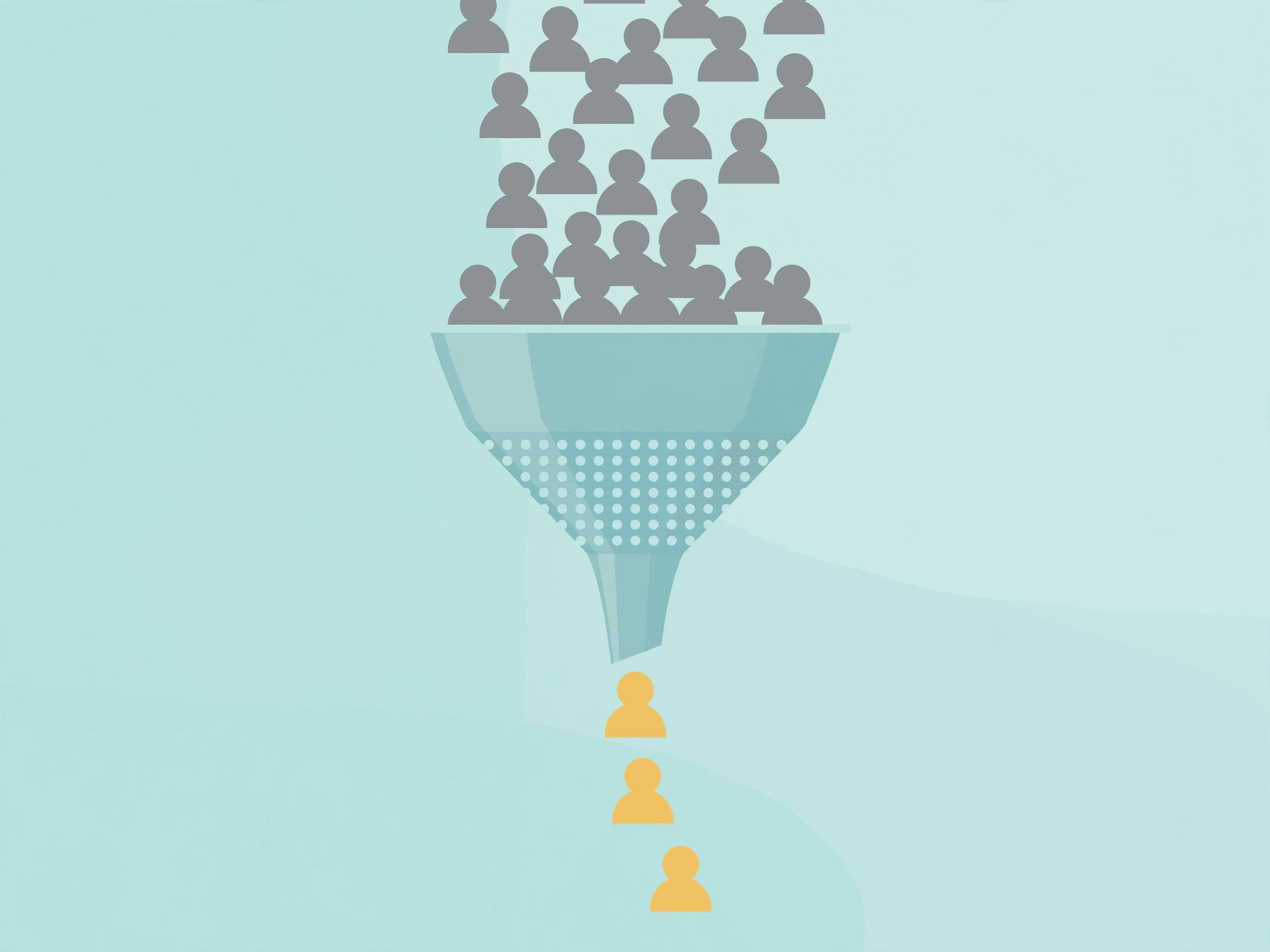
Speed to lead is the time between a person submitting their details and a human (or a genuinely useful automated response) reaching them, and it is the cheapest conversion rate improvement most lead advertisers never measure. A lead contacted within minutes is a person who still remembers why they filled in the form. A lead contacted tomorrow is a stranger who has already talked to your competitor, forgotten your name, or both. Fix the follow-up before you fix the ad: route leads instantly, respond in minutes not hours, and measure contact rate alongside cost per lead, because a cheap lead nobody contacts is not cheap at all.
The lead that died in the inbox
Picture the usual setup. Lead ads running nicely, cost per lead looking respectable, dashboard green. Meanwhile, leads land in a shared inbox, or a CRM nobody checks until Monday, or a spreadsheet that someone exports when they remember. By the time anyone calls, the person has filled in three other forms, spoken to a competitor, or simply moved on with their day. The advertiser concludes lead quality is bad, raises the budget, changes the creative, and repeats the cycle with fresh leads that will also die in the inbox.
This is not a targeting problem. It is a plumbing problem, and plumbing problems do not show up in Ads Manager. Ads Manager will happily report a low cost per lead while your sales team converts almost none of them, and the argument about "lead quality" will run forever because both sides are looking at different halves of the funnel.
What fast actually means
Fast means minutes, not hours, and certainly not "next business day." The decay is steepest at the start: the person is most reachable, most interested, and most likely to answer in the window right after they acted. Every hour after that, the odds drop, and they drop faster than most teams admit.
A practical standard: an instant automated acknowledgement (not a generic "thanks, we will be in touch," but something that confirms what happens next and when), followed by a human contact attempt within five minutes during working hours, and a structured cadence after that (a second attempt the same day, a third the next day) for leads that do not answer. Outside working hours, the acknowledgement should set a real expectation ("we call between 9 and 6, you are first in tomorrow's queue") rather than silence. Silence is not a follow-up strategy. Silence is how leads learn to ignore you.
Fix the plumbing before you fix the ad
In order of impact, and none of this requires a new campaign:
- Route leads instantly. Lead ads should push to the CRM or the phone of the person who calls, in real time, not via a manual export. If a human has to remember to move the lead, the lead will wait.
- Alert the caller, not just the inbox. A notification to the person responsible, with the lead's details and the offer they responded to, beats an email to a shared address that everyone assumes someone else read.
- Script the first contact around the ad. The caller should know which ad the person saw and what it promised. "You asked about X" converts. "Hello, who are you and why are we calling?" does not.
- Measure contact rate, not just cost per lead. Contact rate (share of leads reached within a target window) and contact-to-appointment rate belong on the same report as cost per lead. A campaign with a higher cost per lead and a 70% contact rate beats a cheap campaign with a 20% contact rate, every time, and the dashboard alone will never tell you that.
- Separate lead quality from follow-up speed in your reporting. Tag leads by response time and compare conversion by bucket. When the fast bucket converts multiples of the slow bucket, the argument about lead quality ends, and the argument about staffing begins, which is the argument that actually fixes revenue.
The uncomfortable implication
Speed to lead is often a staffing and process decision disguised as a marketing metric. It requires someone available to call, a rota that covers the hours leads actually arrive (which include evenings and weekends for many consumer offers), and a manager who treats a slow response as a lost sale, not a minor delay. Agencies cannot fix that from Ads Manager, and advertisers cannot fix it by tweaking creative. It is a business decision, and it is usually cheaper than the extra ad spend currently being used to compensate for it.
FAQ
What is speed to lead? The time between a person submitting their details and a human or useful automated response reaching them. It is measured in minutes, and it decays fast.
How fast should lead follow-up be? Aim for a human contact attempt within five minutes during working hours, with an instant acknowledgement immediately. Outside hours, set a real expectation for when the call will come.
Why does my cost per lead look good but sales stay flat? Because cost per lead measures the ad, not the follow-up. Leads that sit uncontacted for hours convert poorly, and Ads Manager will not show you that half of the funnel.
What should I measure alongside cost per lead? Contact rate (share of leads reached within a target window) and contact-to-appointment rate, split by response-time bucket. That split ends the lead quality argument.
Do lead ads or landing pages change the speed requirement? No. Whichever route the lead arrives by, the decay clock starts at submission. Landing page leads need the same instant routing as lead ad leads.
Is an automated reply enough? It is a start, not a finish. An acknowledgement that sets a real next step helps, but it does not replace a human contact attempt in the first minutes.
MetaMaxd is a Meta ads agency. We run the accounts; you run the business. Your competitor did not outspend you. They just called first.