TL;DR
Meta has no job-title targeting worth using, no company-size filter that survives contact with reality, and no B2B audience product that does the job for you. B2B advertisers who copy the B2C playbook, broad targeting plus a product ad plus a lead form, waste money on students, jobseekers, and competitors. The targeting on Meta is done by the creative: a hook only your buyer would stop for, a lead magnet only your buyer would download, and a follow-up that qualifies before the sales call. Build that, and the platform's weakness stops mattering.
Stop looking for the targeting button
The first mistake in B2B Meta ads is the search for a targeting setting that does not exist. LinkedIn has job titles, industries, and company sizes. Meta has interests, behaviours, and a broad audience that the system sorts for you. An interest in "procurement" on Facebook includes buyers, students studying procurement, people who once liked a procurement meme, and a procurement manager's cousin. It is not a buyer list.
Detailed targeting suggestions and interest stacks can narrow the pool a little, but they cannot manufacture a B2B audience from a consumer platform. Every hour spent refining interests is an hour not spent on the one thing that can actually filter: the ad itself.
The creative is the filter
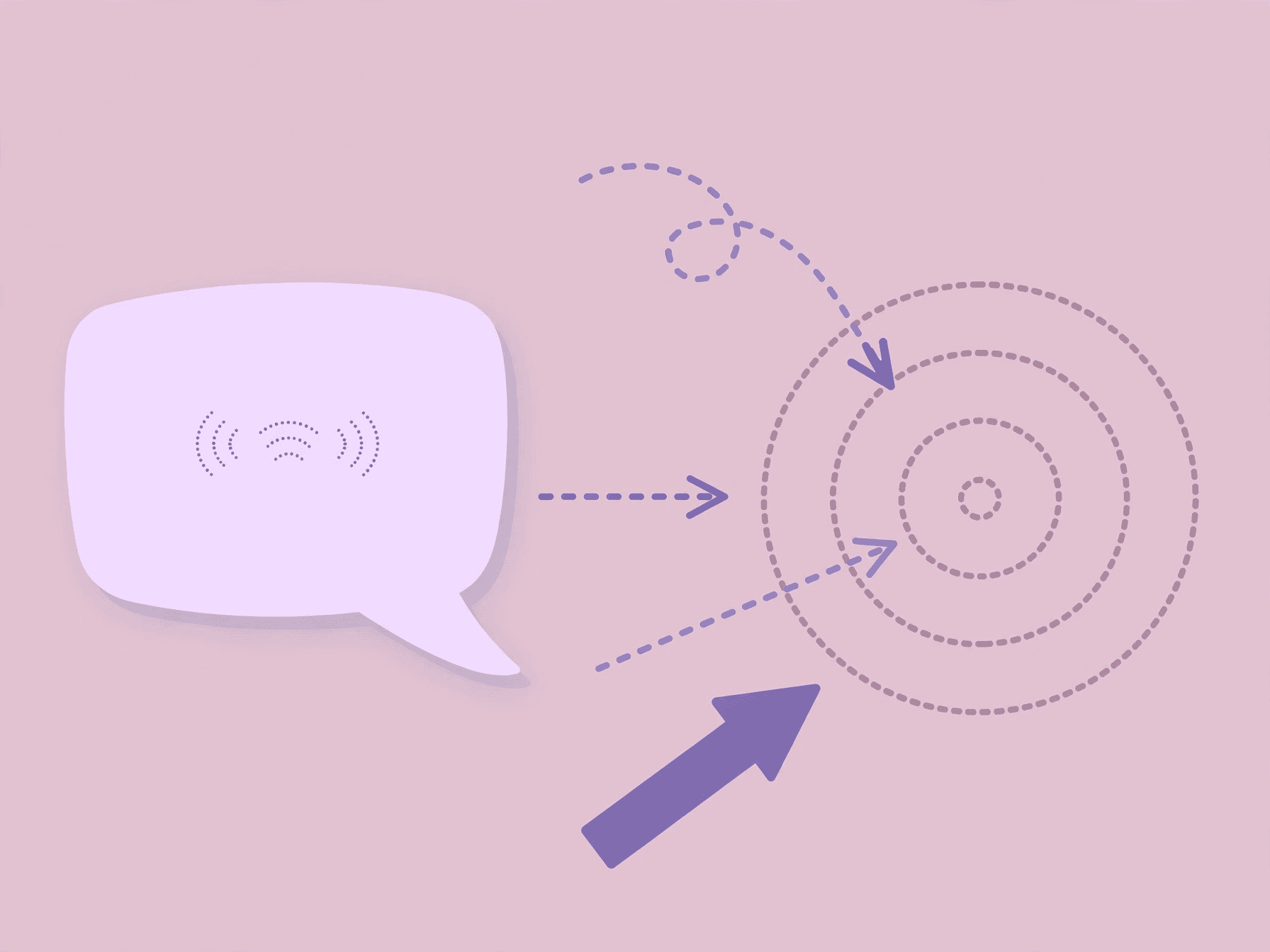
On Meta, the creative does the targeting. A hook that says "If you run a warehouse with more than 50 staff, your picking errors are costing you a shift a week" does something no interest stack can do: it makes everyone who does not run a warehouse scroll past, and makes the person who does stop. The wrong people self-select out for free, and the right people self-select in.
That means your hook has to name the buyer's world. Name the role, the company size, the problem, and the number. "For finance teams closing the month in spreadsheets" filters better than "streamline your workflow" ever will, because the second line appeals to everyone and therefore to no one. Specificity is the targeting.
The same logic applies to the creative format. A founder talking to camera about a real client problem will filter better than a polished product animation, because the buyer recognises a peer. A screenshot of the actual report your buyer stares at every Monday filters better than a stock photo of a handshake. B2B buyers are still people scrolling a feed at lunch. They stop for recognition, not for polish.
The lead magnet has to earn a work email
B2B lead generation on Meta fails most often at the magnet. A generic ebook titled "The Ultimate Guide to Efficiency" will fill your CRM with personal Gmail addresses and students. A magnet your buyer actually wants has a specific title, a specific promise, and a specific reader: "The warehouse picking-error calculator: what 50-plus-staff sites lose per month." The narrower the magnet, the better the leads, and the fewer of them there are, which is the point.
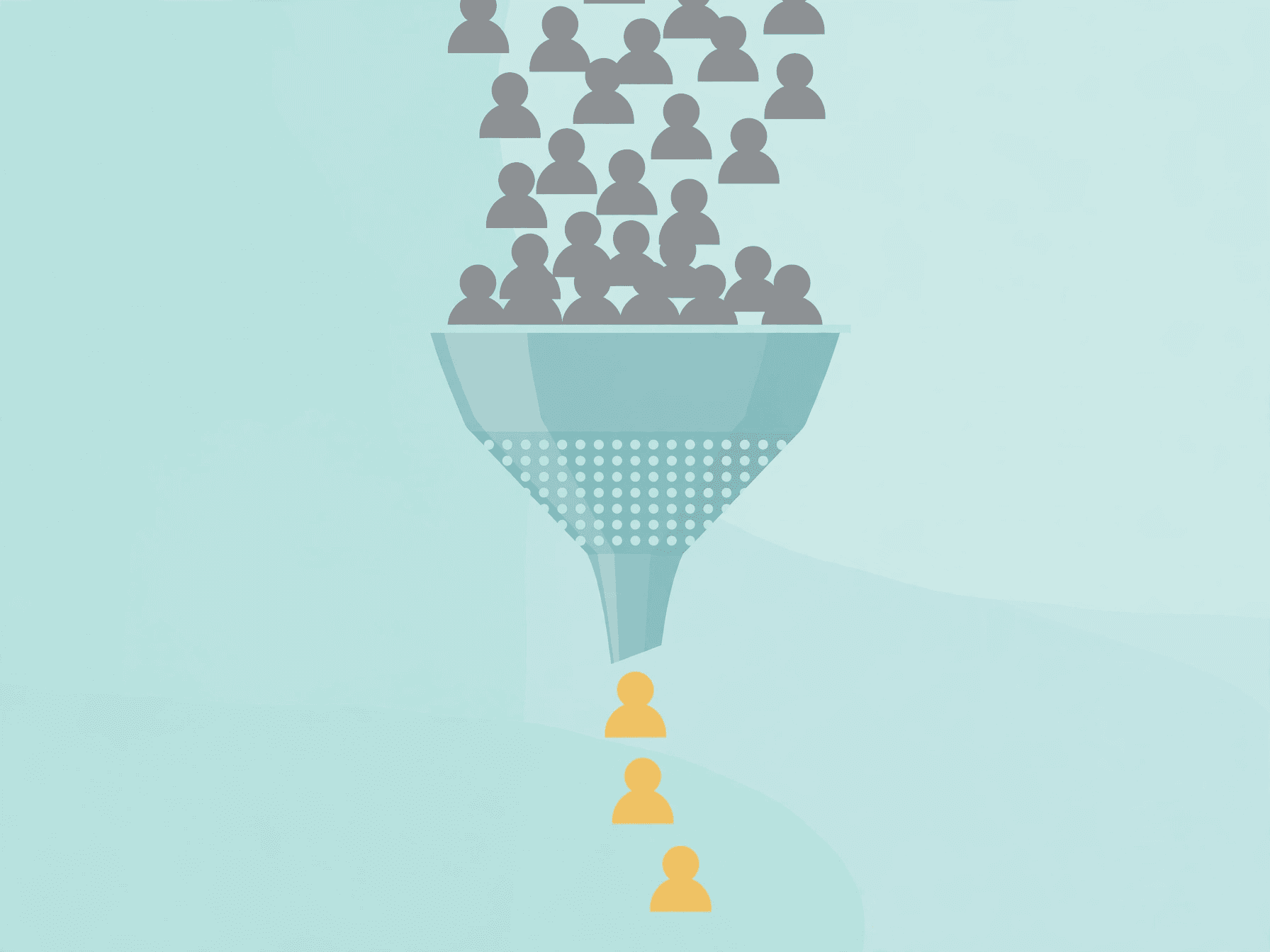
The form matters too. Ask for a work email and a company name, and accept that volume will drop. A hundred leads with fifty work emails beat a thousand leads with nine hundred Gmail addresses, because only one of those lists can be sold to. And put the qualifying question on the form itself: company size, role, or current solution. One question, asked early, saves ten wasted sales calls.
Retargeting is where B2B actually happens
Almost nobody buys B2B software from a cold ad. The first click starts a research process that involves colleagues, a budget holder, and a comparison spreadsheet. That is why retargeting is the real B2B campaign on Meta, and the cold campaign is just the top of it.
Build retargeting pools from people who spent real time with your content: video viewers past 50%, landing page visitors who scrolled, lead magnet downloaders who opened the file. Then show them proof, not more promises: a client result with numbers, a two-minute demo of the exact workflow, a comparison against the tool they use now. Each retargeting ad should answer one objection, and the sequence should run for weeks, not days, because B2B decisions take weeks.
And keep sales and marketing honest with each other about what a lead is. A download is not a sales-qualified lead. A download from a work email, at a company in your size band, who then booked a call, is. If marketing reports downloads and sales reports disappointment, the definition is the problem, not the ads.
FAQ
Can you target job titles on Meta ads?
Not in any way worth relying on. Meta has no LinkedIn-style job-title targeting. Interests and behaviours approximate it badly. The reliable filter is creative that names the role, the company size, and the problem only your buyer would recognise.
What is a good B2B lead magnet for Meta ads?
One with a specific title, a specific promise, and a specific reader, such as a calculator or benchmark for companies of a certain size. Generic guides attract students and personal email addresses. Narrow magnets attract fewer, better leads.
Should B2B lead forms ask for a work email?
Yes. Ask for a work email and a company name, plus one qualifying question such as company size or current solution. Volume will drop and quality will rise, which is the trade you want.
How long should B2B retargeting run on Meta?
Weeks, not days. B2B decisions involve colleagues and budget holders, so build pools from engaged viewers and downloaders and show them proof, demos, and comparisons over a sustained sequence.
Why do my B2B Meta leads never convert to sales?
Usually because the definition of a lead is wrong. A download is not a sales-qualified lead. Agree with sales on what qualifies: work email, company in your size band, and a booked call or a stated buying intent, then optimise the ads toward that, not toward downloads.
MetaMaxd is a Meta ads agency. We do not pretend Meta is LinkedIn. We build B2B campaigns that let the creative find the buyer, because the targeting settings never will. If your lead list is full of students, we can fix that.