TL;DR
Click-to-Messenger ads open a chat with your business instead of sending people to a form or landing page. They generate high-intent conversations at reasonable cost, especially for high-consideration offers where buyers have questions before they commit. They got a bad reputation because advertisers treated the chat like a form: no qualification, no response-time discipline, no handoff to sales. Run them with an automated qualification flow, a human response SLA measured in minutes, and a clear path from chat to call or checkout, and they're one of the most underpriced lead channels on the platform.
Why the format got deleted
The typical Click-to-Messenger story goes like this. Advertiser launches the campaign. Chats flood in. Nobody on the team is assigned to answer them. Responses arrive hours later, or never. The "leads" look like noise: one-word answers, ghosted conversations, questions the ad already answered. Campaign gets paused. Verdict: Messenger doesn't work.
Every step of that story is an operations failure wearing a media costume. The ad did its job: it started conversations with interested people at a cost per conversation most lead formats can't touch. The business then failed to have the conversations. That's not a channel problem. That's a staffing problem.
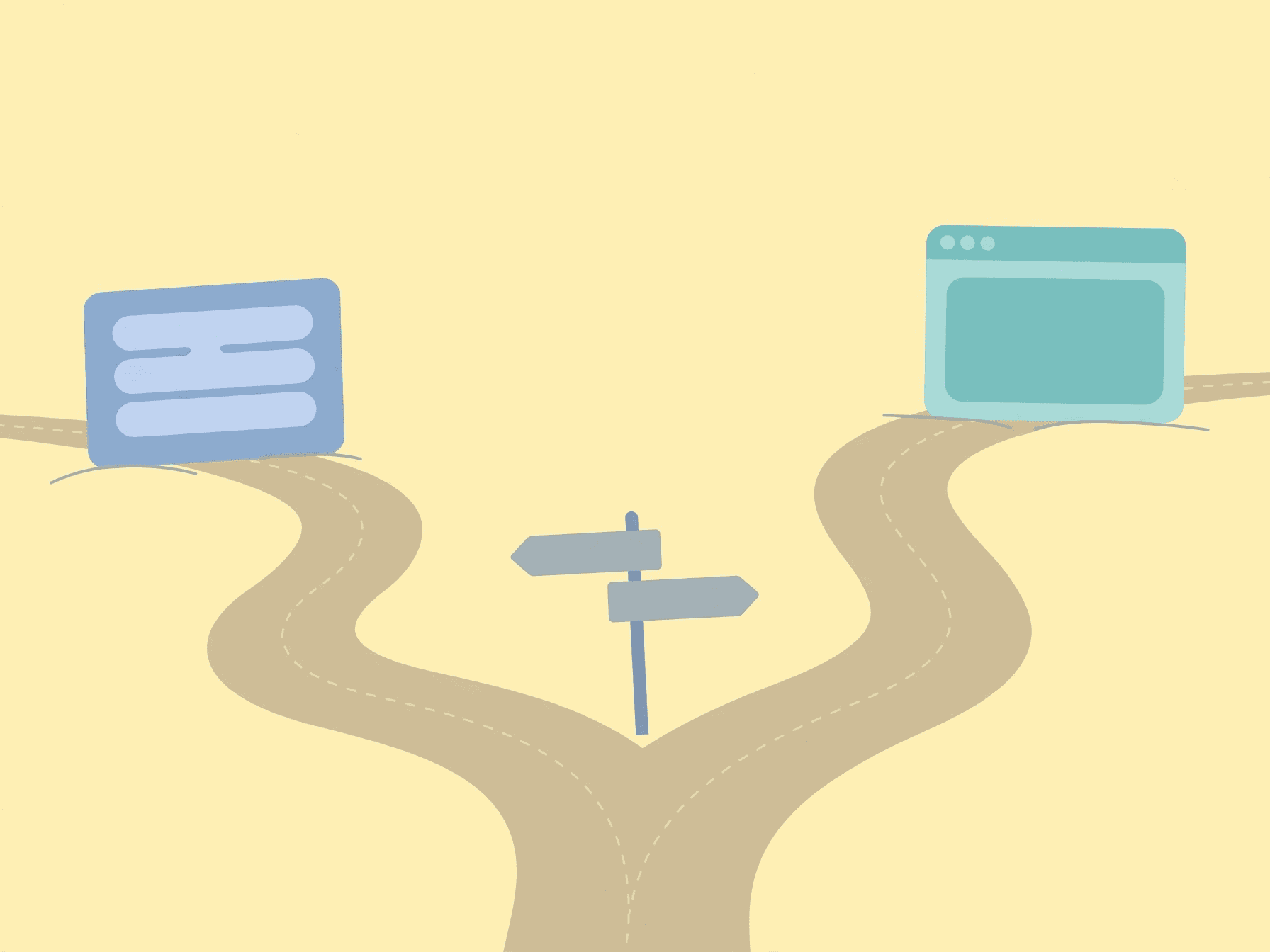
Where conversations beat forms
Not every offer needs a chat. Low-consideration products with clear pricing should stay on landing pages; adding a conversation to a $30 purchase is friction, not service.
Click-to-chat earns its keep where buyers have questions:
- High-ticket services. Agencies, consultants, clinics, contractors. The buyer needs to trust you before they book, and trust is built in conversation.
- Complex or configurable products. Real estate, vehicles, custom anything. The ad can't carry every variant; the chat can.
- Markets where chat is the native commerce language. In much of LatAm, Southeast Asia, and parts of Europe, customers expect to message a business before buying. Running lead forms there is the foreign behavior, not the chat.
The common thread is consideration. If the purchase needs a human moment, put the human moment inside the ad click instead of three funnel steps later.
The operating system (this is the actual playbook)
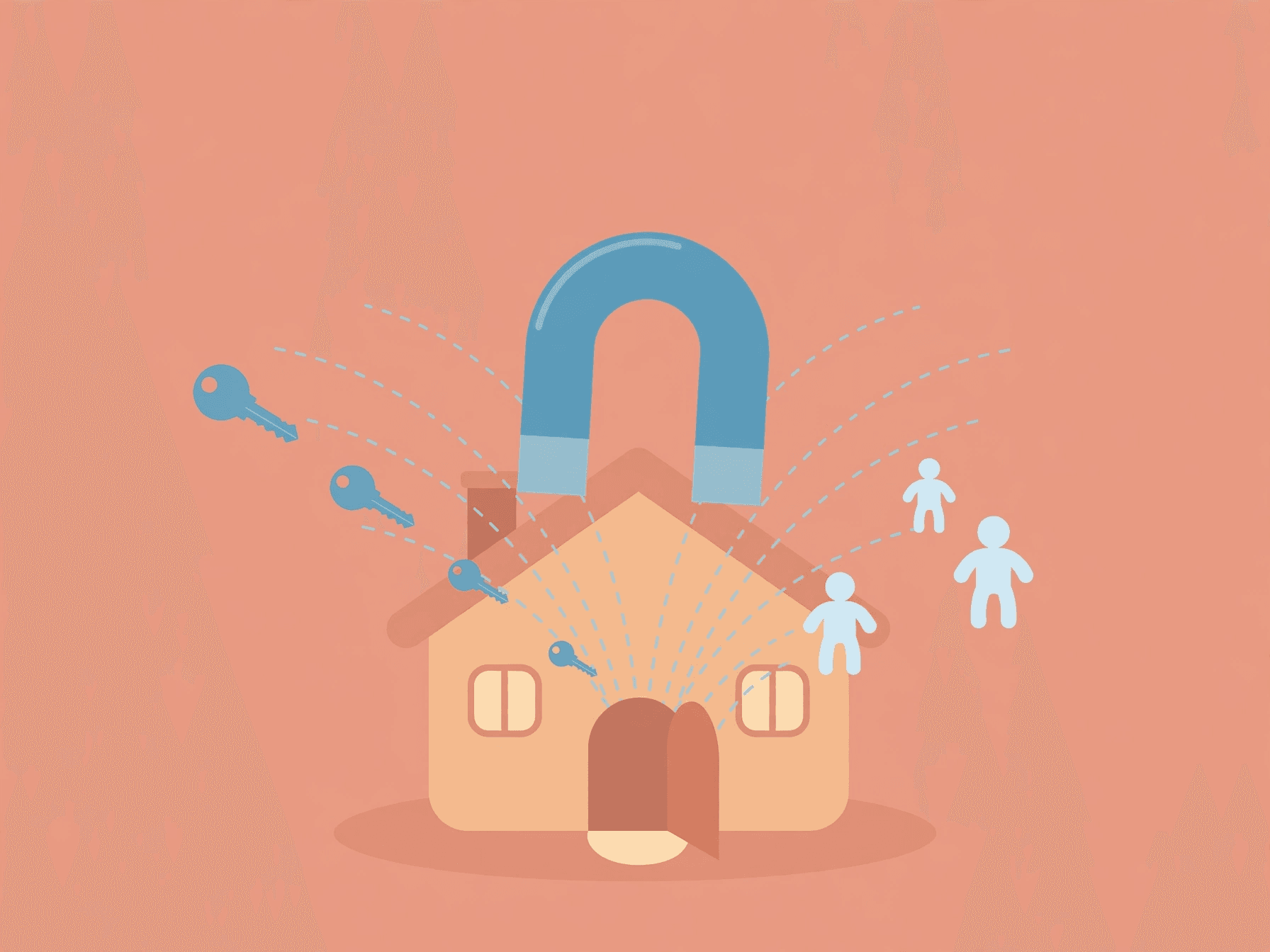
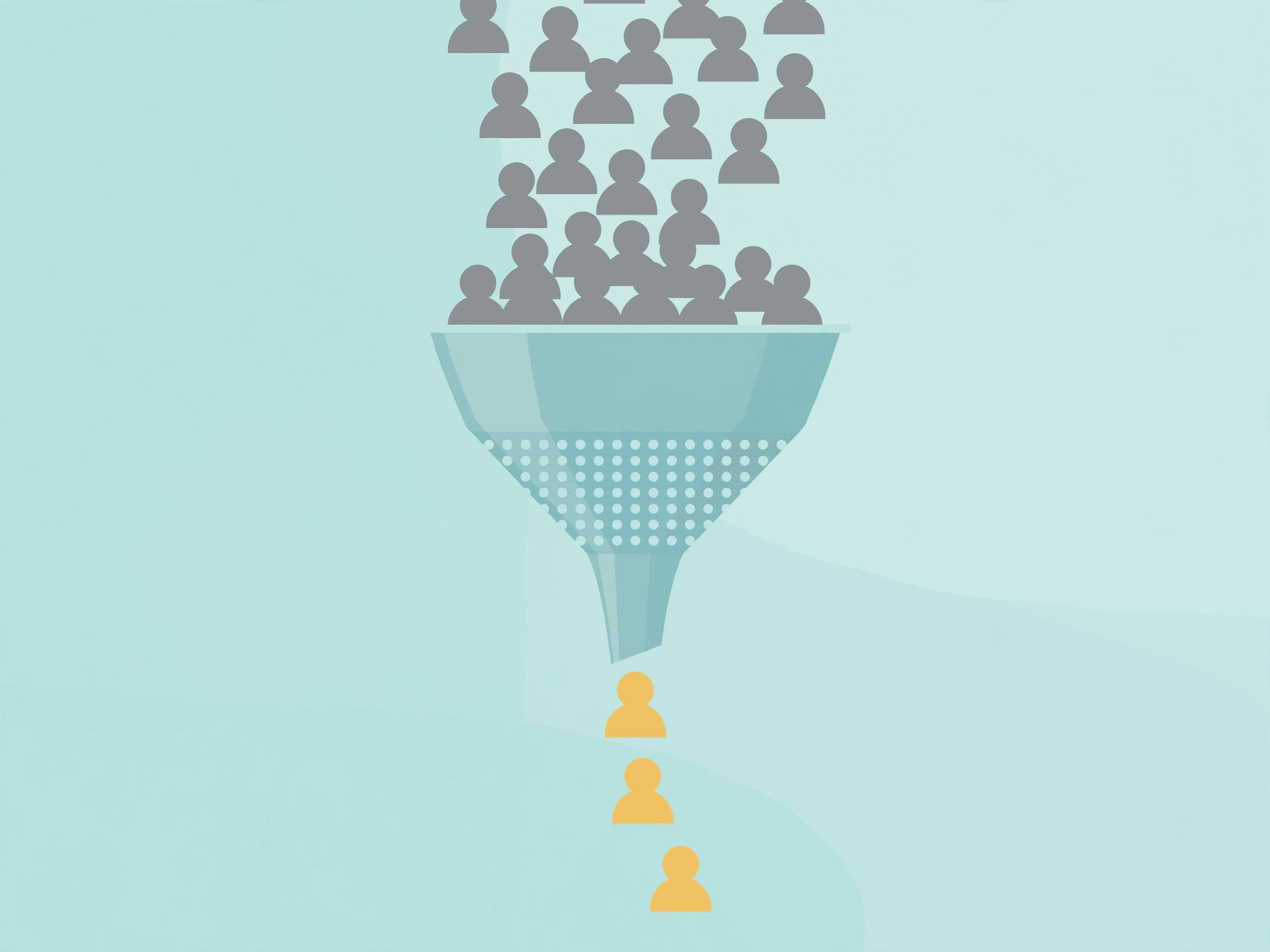
1. Qualify before a human touches it. Use automated chat flows (Meta's built-in tools or a third-party bot) to ask the two or three questions that separate buyers from browsers: budget, timeline, location, whatever your qualifier is. This is the same discipline as adding questions to an instant form, and it serves the same purpose: your humans only talk to humans worth talking to.
2. Respond in minutes, not hours. Conversation has a half-life. A reply within five minutes keeps the thread alive; a reply tomorrow morning is a cold call wearing a chat bubble. Assign the inbox. Put a name on it. Measure response time like you'd measure page load speed, because it converts like page load speed.
3. Build the handoff. A chat that never becomes a call, an appointment, or a checkout is entertainment. Define the conversion event for the conversation: book the call, send the quote, take the deposit. Train whoever answers the chats on the handoff, not just the small talk. The best Messenger campaigns we see treat the chat as a qualification layer for the sales team, not a replacement for it.
4. Feed the algorithm the right event. Optimize for the conversation outcome that correlates with revenue, not just "messaging conversations started." A started chat is a cheap event; the algorithm will find you professional chat-starters. Optimize deeper: qualified conversations, appointments booked through chat, whatever your real signal is.
The cost argument
Per conversation, click-to-chat is usually cheaper than per qualified lead from forms or landing pages, because the event is easier. But the real cost includes the humans answering. Price that in honestly: if you need a person on chat eight hours a day, that's a salary line against the channel. For high-ticket offers, one closed deal a week pays for it many times over. For low-margin volume plays, the math rarely works, which is another way of saying this channel is for consideration-heavy businesses. Know which one you are.
FAQ
What are click-to-Messenger ads? Meta ads that open a Messenger (or WhatsApp/Instagram DM) conversation with your business when tapped, instead of sending traffic to a website or form.
Do click-to-Messenger ads still work in 2026? Yes, particularly for high-consideration offers where buyers have pre-purchase questions. The format's bad reputation comes from poor follow-up operations, not poor ad performance.
How fast should I respond to Messenger ad chats? Within minutes. Conversation decays fast; a response within five minutes keeps the thread alive, while next-day replies perform like cold outreach.
Should I use a chatbot or humans? Both. Automate the qualification questions, then hand qualified conversations to humans for the actual selling. Humans-only doesn't scale; bots-only doesn't close.
What should I optimize the campaign for? The deepest conversion event you have reliable volume for: qualified conversations or appointments booked, not just conversations started. Cheap events train the algorithm on cheap intent.
Are Messenger ads good for ecommerce? For low-consideration products, usually not; a conversation adds friction to a simple purchase. For configurable or high-ticket products, yes.
MetaMaxd is a Meta ads agency. We run the accounts; you run the business. Want a second pair of eyes before Q4? That's what we're for.