TL;DR
Black Friday 2026 falls on November 27, with Cyber Monday on November 30, and the pressure to discount will be intense. But discounting is a choice, not a law. If the discount pushes your break-even ROAS above what your account delivers, or stock is limited, or your brand sells on quality, alternatives protect profit better: bundles, gifts with purchase, free shipping, early access, and extended guarantees. The rule is simple: pick the offer from the margin math, not from what competitors are shouting, then build the Meta creative around that offer early enough for it to learn before CPMs peak.
Do the math before you pick the offer
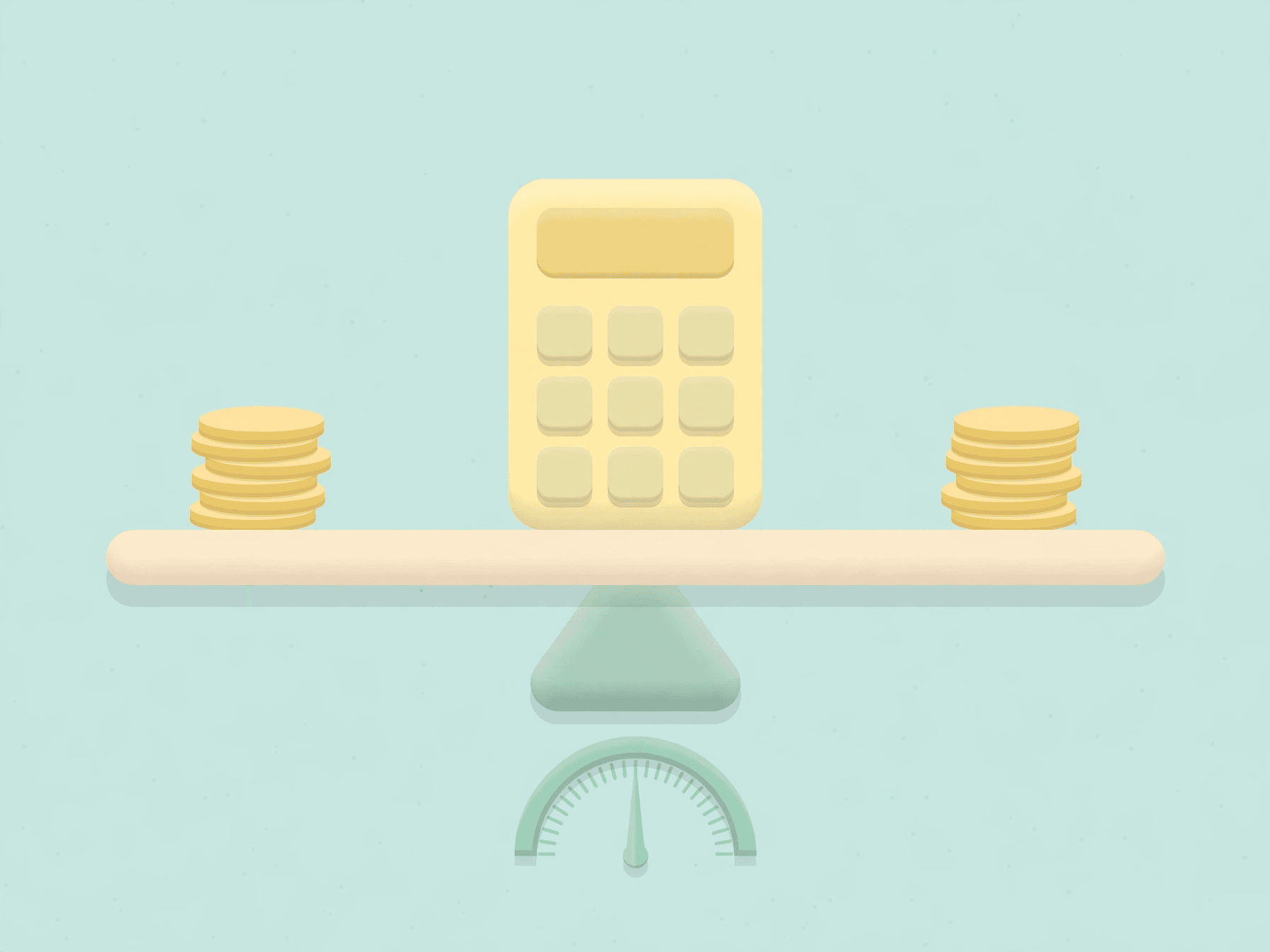
Break-even ROAS is 1 divided by your margin. Take the discounted price, subtract product cost, shipping, and fees to get gross profit, then divide gross profit by the discounted price. An $80 product with $32 in costs, sold at 20% off ($64), leaves $32 profit on $64, a 50% margin, and a 2.0 break-even ROAS. That is survivable for many accounts. Push the discount to 40% and the same product leaves $16 on $48, a 33% margin, and a 3.0 break-even ROAS. Plenty of accounts cannot clear 3.0 in November, when CPMs are at their annual peak. That discount does not buy growth. It buys unprofitable orders and a warehouse full of regret.
Run the same math for every alternative offer before you commit. A bundle that raises average order value can beat a straight discount. Free shipping costs you a known amount per order and reads as generous without touching the product price. A gift with purchase costs you the wholesale cost of the gift, not the retail value the customer perceives. The offer that looks least exciting in the brainstorm is often the one that survives the spreadsheet.
Offers that work without touching the price
- Bundles. Pair the hero product with a complementary item at a combined price that still clears your margin. The customer feels a deal; you keep the price architecture intact.
- Gift with purchase. A small item, a sample set, a limited-edition extra. Perceived value beats its cost to you, and it gives the ad a visual hook that a percentage-off badge never will.
- Free shipping, or a lowered free-shipping threshold. Shipping cost is the number one cart abandonment excuse that is actually fixable. Removing it converts browsers who were never price-sensitive about the product itself.
- Early access or a members window. Let email subscribers or past buyers shop first. Scarcity without a price cut, and it rewards the people who already like you.
- Extended returns or a longer guarantee. For considered purchases, risk removal beats a discount. A 60-day return window costs you little if the product is good and removes the exact fear stopping the purchase.
What these share: the customer gets something extra, and your price stays where your brand lives. January you will be grateful. January you does not have to explain why the product that was 40% off in November is suddenly full price again.
Build the creative for the offer, not around a discount badge
Discount creative is lazy creative: big percentage, product shot, countdown timer. Non-discount creative has to actually sell. That is a feature, not a bug.
Lead with the bundle or the gift visually. Show what is in the box, not a price slash. Put the deadline in the first line of the primary text (offer ends, shipping cutoff, stock limit), because urgency is doing the job the discount used to do. And make the landing page match the ad exactly: if the ad promises a gift with purchase, the product page must show it, or the click dies on arrival.
Timing still rules. Holiday creative should be live and learning before CPMs climb in mid-November; ads built on Thanksgiving week are learning on the most expensive days of the year. Have the non-discount offer decided by early November at the latest, tested while CPMs are lower, and ready to scale into the Thanksgiving to Cyber Monday stretch, which is consistently the most efficient window for consumer brands.
What happens after Cyber Monday
The discount brands face a cliff: customers trained to wait for 40% off do not buy in December at full price. The non-discount brands have a second act. Switch to gift and shipping-deadline messaging in the second week of December, ease budgets off BFCM peaks, and use the cheap window after Christmas for prospecting and New Year angles. And treat Black Friday buyers as the start of a relationship, not a one-off order: onboard them, time a second purchase around how fast the product runs out, retarget them with different products, and exclude them from prospecting. A discount buyer only becomes profitable when they buy again. A bundle buyer already bought more than one thing, which is a head start.
FAQ
When is Black Friday 2026? Friday, November 27, 2026, the day after US Thanksgiving on November 26. Cyber Monday is Monday, November 30.
Do I have to discount for Black Friday? No. If the discount pushes break-even ROAS above what your account can deliver, if stock is limited, or if your brand sells on quality, bundles, gifts with purchase, or free shipping protect profit better.
How do I calculate break-even ROAS with a discount? Take the discounted price, subtract product cost, shipping, and fees to get gross profit, divide by the discounted price to get margin, then break-even ROAS is 1 divided by that margin.
When should Black Friday Meta creative be ready? Test creative from late October to early November while CPMs are lower, and have BFCM ads built by around November 22 so Meta is not learning on the most expensive days.
What should I do with Black Friday buyers in January? Onboard them, time a second purchase around product usage, retarget with new products rather than repeats of what they bought, and exclude them from prospecting.
Is free shipping really better than a discount? Often, yes. It removes the top cart abandonment excuse at a known cost per order, without retraining customers to expect a lower product price.
MetaMaxd is a Meta ads agency. We run the accounts; you run the business. Discounts are easy to offer and expensive to undo. We would rather you kept the margin.